Professional Care for full set dental implants with customized implant treatment plans
Professional Care for full set dental implants with customized implant treatment plans
Blog Article
Complete Dental Implant Set: Bring Back Your Smile and Confidence in Just One Procedure
Full set tooth implants offer a reliable option for people dealing with the challenges of tooth loss. These implants not only restore functionality but also improve one's appearance and self-esteem. In contrast to traditional dentures, they provide a stable and natural feel. Many may ask about the procedure itself and the lasting benefits. Comprehending these aspects can explain whether this option is appropriate for them. The path to a confident smile begins here.

Struggling With Missing Teeth? Learn How Full Set Dental Implants Can Help
Do folks dealing with the problems of tooth loss understand the powerful rewards of full set dental implants? Many struggle difficulties in daily activities such as eating, communicating, and smiling, which can lead to diminished self-esteem and social withdrawal. Full set dental implants present a holistic fix, admirably reclaiming not only the functionality of teeth but also the belief in oneself that often goes with a complete smile.
These implants are crafted to imitate the organic form of dentition, providing stability and comfort. Unlike conventional dentures, full set implants are securely anchored in the jawbone, eliminating concerns about slippage or unease. Patients can enjoy a wide variety of meals without restrictions, enhancing their quality of life. In addition, the process of receiving these implants typically involves a streamlined approach, allowing individuals to achieve a new smile in a single procedure. This transformative option empowers those experiencing tooth loss to regain their self-assurance and live life to the fullest.
Why Full Set Dental Implants Are Better Than Dentures
Full set dental implants are considered a excellent option when set against traditional dentures, notably for those wanting a long-lasting answer for missing teeth. In difference to dentures, which may move around, full set implants are deeply embedded within the jawbone, delivering consistent anchoring and natural experience. This firm attachment enables improved mastication capacity and speech clarity, greatly improving your daily experience.
Additionally, comprehensive implants aid in maintaining jawbone health by promoting bone expansion, which dentures cannot offer. This mitigates the bone loss that commonly results from tooth loss, retaining facial structure and eliminating a sunken appearance.
Additionally, complete set implants need no unique bonding agents and are easier to care for than dentures, which require nightly removal and cleaning. Patients often report enhanced confidence and satisfaction with their look, as complete set implants mimic natural teeth. Overall, full dental implants offer a more practical, attractive, and lasting option for those with absent teeth.
What Are Full Set Dental Implants and How Do They Function?
Complete dental implant sets are thorough approaches designed to restore an entire arch of missing teeth. They are composed of various components, including titanium posts that serve as artificial roots and specially designed crowns that resemble natural teeth. The implant placement procedure involves accurate surgical techniques to ensure stability and proper integration with the jawbone.
Components of Full Dental Implants
Dental implants work as a innovative approach for individuals looking to regain their smiles and oral health. Full set dental implants consist of three key parts: the implant fixture, the abutment, and the prosthetic crown. The implant fixture is a titanium post placed surgically in the jawbone, functioning as a root for the artificial tooth. The abutment links the implant fixture to the prosthetic crown, offering stability and support. Finally, the prosthetic crown is the visible part of the implant, crafted to look like natural teeth in both color and shape. Collectively, these components work together to replicate the appearance and function of natural teeth, enabling patients to regain confidence and improve their quality of life.
Tooth Implant Placement Protocol
The surgical insertion procedure is an important part in restoring a patient's smile and oral health. This operation usually starts with a thorough examination and imaging to check bone density and the overall condition of the mouth. Once confirmed, the oral surgeon places titanium implants into the jawbone, which function as replacement tooth bases. After the implants are correctly positioned, a healing period takes place, allowing the bone to meld with the implants. After healing is done, abutments are attached, and personally crafted crowns are fitted to ensure a realistic appearance. This procedure not only boosts aesthetics but also enhances chewing ability, contributing to overall dental health. Patients often gain greater confidence from their restored smile.
Knowing What Happens During Your Dental Implant Surgery
When evaluating dental implants, patients can anticipate a well-structured procedure that unfolds in several stages. Initially, a thorough examination, including imaging, helps establish the suitability for implants. Once cleared, the procedure typically begins with anesthesia to guarantee comfort. The dental professional then makes an incision in the gum to expose the jawbone, where the implant will be placed.
A metal post is inserted into the bone, acting as the artificial root of the new tooth. The site is then sutured closed, allowing for healing and osseointegration, where the bone fuses with the implant. This process can take several months. After healing, an abutment is attached, followed by the placement of a custom-made crown. Throughout this journey, clear communication with the dentistry professionals is essential to address any concerns and guarantee a smooth experience, ultimately leading to a restored smile and rejuvenated confidence.
Post-Procedure Guidance for Your New Smile
Upon receiving dental implants, suitable aftercare is essential for sustained outcomes. Patients should copyright their dental hygiene routine, comply with eating guidelines, and arrange regular dental check-ups. These practices will guarantee the vitality and sustainability of their restored smile.
Sustain a Dental Health Schedule
Maintaining an efficient oral hygiene routine is essential for individuals who have recently undergone dental implant procedures. Proper care helps ensure the longevity of implants and reduces complications such as infections or peri-implantitis. Patients should brush their teeth at least twice daily using a soft-bristled toothbrush and gentle toothpaste. Flossing is equally important; using dedicated dental tools can assist in reaching areas around the implants. Regular rinsing with an germ-fighting mouthwash can further reduce bacteria and promote healing. It is advisable for patients to schedule follow-up appointments with their dentist to monitor the health of their implants. By adhering to a diligent oral hygiene routine, individuals can enjoy their restored smiles with confidence and maintain overall oral health.
Comply with Dietary Guidelines
Adhering to dietary guidelines is important for people recovering from dental implant treatments. Initially, a soft diet is advised because it assists with healing and lessens discomfort. Foods including yogurt, mashed potatoes, and smoothies provide the necessary nutrients without applying force to the implants. Moreover, steering clear of hard, crunchy, or sticky foods is important during recovery to avoid damaging the surgical site.
Hydration is also important; patients should drink plenty of water while avoiding caffeine and alcohol, which can hinder the healing process. Gradually incorporating solid foods as healing progresses secures the implants stay secure. Complying with these dietary guidelines not only boosts ideal healing but also helps maintain the longevity and effectiveness of the dental implants.
Consistent dental appointments support healthy smile and minimize significant complications.
Consistent dental check-ups are vital for ensuring the long-term effectiveness of dental implants. These appointments allow dental professionals to monitor the health of the gums and surrounding tissues, guaranteeing that the implants stay securely anchored. During these visits, the dentist can identify any early potential issues, like infection or bone loss, which could compromise the integrity of the implants. Also, professional cleanings assist in removing plaque and tartar buildup that regular brushing might overlook, promoting overall oral health. Patients are encouraged to follow a routine of check-ups at least twice a year, as this proactive approach can greatly improve the durability of the implants and help achieve a lasting, confident smile. Regular care is crucial for sustaining both aesthetics and function.
Full Set Dental Implants: How Long Will They Last?
Multiple elements influence the lifespan of full set dental implants, yet they are generally designed to last a lifetime with proper care. The durability of these implants is primarily credited to the substances employed, such as titanium, which integrates well with the jawbone. Patient overall health, oral hygiene routines, and lifestyle choices, including smoking and diet, also play important functions in determining how long the implants will last.
Regular dental check-ups and cleanings are crucial for preserving the health of both the implants and surrounding gums. Correct mouth care, including brushing and using floss, can avoid problems like infections or peri-implantitis.
Although tooth replacements can survive several decades, normal wear may occur over time, potentially necessitating adjustments or new installations. A preventative mindset to oral care and routine professional assessments can greatly enhance the longevity and functionality of complete implant sets.
Standard Misunderstandings About Full Set Dental Implants
What misunderstandings persist regarding full set dental implants? Many people incorrectly think that these implants are only for cosmetic purposes. In reality, full set dental implants also restore functionality, allowing patients to chew and speak normally. Another widespread misconception is that the procedure is excessively painful. While some pain is expected, improvements in anesthesia and techniques often minimize pain during and after surgery.
Additionally, individuals often think that full set dental implants are a universal solution. In reality, each care strategy is tailored to the individual requirements of each patient, considering factors like bone density and dental condition. Finally, some assume that full set implants require more maintenance than natural teeth. However, they in fact require similar attention, such as regular checkups at the dentist and good dental hygiene habits. Addressing these false beliefs can help prospective candidates make well-informed choices about their dental health.
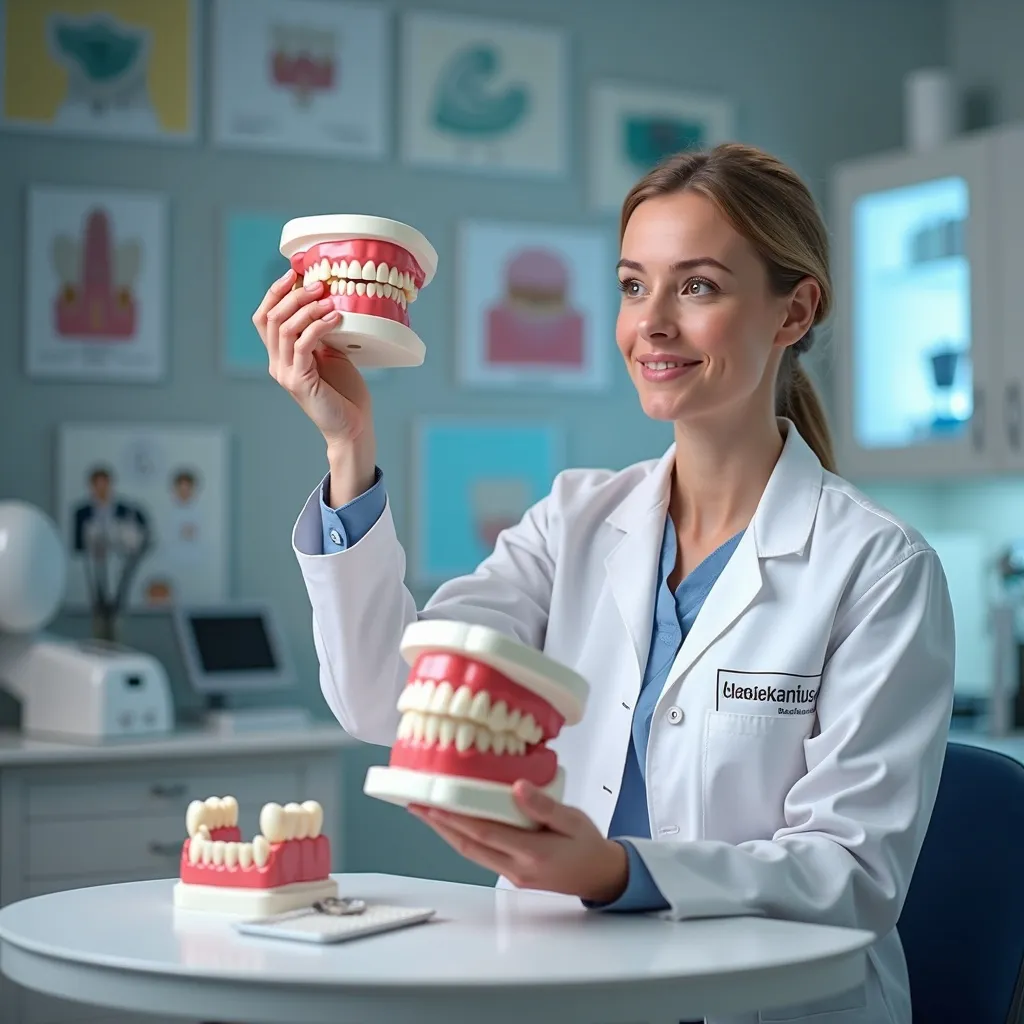
Questions People Inquire Frequently
Can Full Set Dental Implants Work for Everyone?
Complete dental implants may not be fitting for everyone. Aspects such as bone density, overall health, and personal preferences influence qualification. A thorough discussion with a dental professional is essential to identify individual suitability.
Full Set Dental Implants: How Much Do They Cost?
Full set implant teeth generally run between $20,000 and $50,000, contingent upon factors including location, dentist expertise, and material choices. Patients should connect with practitioners for personalized estimates refer to resource and potential financing options.
Does Your coverage Cover the Complete Set of Dental Implants?
Insurance protection for full set dental implants differs depending on insurer and plan. Many insurance plans may not cover the full cost, considering them elective. Patients should consult with their insurance carriers to obtain information about available coverage.
Will I Be Able to eat normally After Getting Implants?
Upon completing implant procedures, individuals may need to consume soft foods initially. As time passes, they can begin consuming harder foods as healing takes place. Consulting with a dental professional is necessary for personalized advice on dietary modifications.
What Risks Are Related to Dental Implant Procedures?
Dental implant treatments pose hazards including contamination, neurological injury, implant failure, sinus issues, and anesthetic complications. Adequate consultation and following post-operative care can help decrease these potential risks during the recuperation period.
Report this page